





Asia

Forecasting
Construction and Cities





IT


Manufacturing


Retail and Financial Services






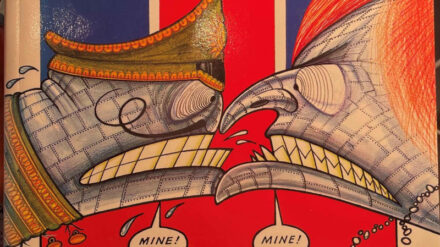


"betray their immigrant heritage?"
This is flat-out white supremacist ancestry analytics. Values aren't genetically encoded by background & progressive poison like this is indistinguishable from far-right bigotry. @theipaper should be ashamed for giving this venal racism credit.

@jameswoudhuysen #Phrenology was reborn, with the dawn of #IdentityPolitics, and this #Stanford study is #pseudoscience in its purest form.
Innovators I like

Robert Furchgott – discovered that nitric oxide transmits signals within the human body
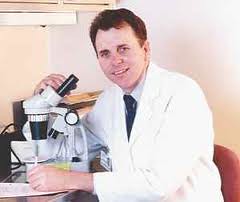
Barry Marshall – showed that the bacterium Helicobacter pylori is the cause of most peptic ulcers, reversing decades of medical doctrine holding that ulcers were caused by stress, spicy foods, and too much acid

N Joseph Woodland – co-inventor of the barcode
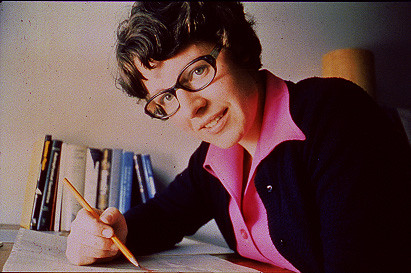
Jocelyn Bell Burnell – she discovered the first radio pulsars

John Tyndall – the man who worked out why the sky was blue

Rosalind Franklin co-discovered the structure of DNA, with Crick and Watson

Rosalyn Sussman Yallow – development of radioimmunoassay (RIA), a method of quantifying minute amounts of biological substances in the body

Jonas Salk – discovery and development of the first successful polio vaccine

John Waterlow – discovered that lack of body potassium causes altitude sickness. First experiment: on himself
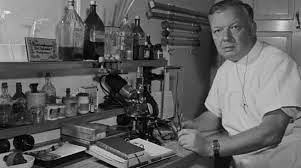
Werner Forssmann – the first man to insert a catheter into a human heart: his own

Bruce Bayer – scientist with Kodak whose invention of a colour filter array enabled digital imaging sensors to capture colour
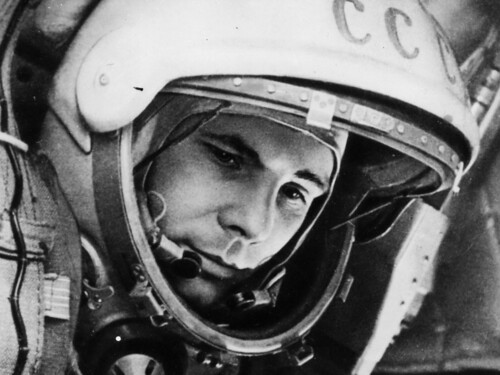
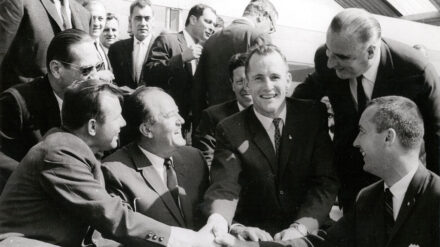
Yuri Gagarin – first man in space. My piece of fandom: http://www.spiked-online.com/newsite/article/10421

Sir Godfrey Hounsfield – inventor, with Robert Ledley, of the CAT scanner

Martin Cooper – inventor of the mobile phone

George Devol – 'father of robotics’ who helped to revolutionise carmaking

Thomas Tuohy – Windscale manager who doused the flames of the 1957 fire

Eugene Polley – TV remote controls